
ISR Midwest
Not One More Child Drowns.
Welcome to ISR Midwest
I became an ISR instructor to live out the mission of “Not One More Child Drowns.” For me, this work is personal. Each lesson I teach is part of a larger ripple effect—helping families like yours gain life-saving skills, confidence, and a deeper understanding of water safety.
At ISR Midwest, I believe in making a difference one child at a time, and I am so honored to be part of your family’s journey to safer swimming.
What are Survival Swim Lessons?
Survival swim lessons teach infants and young children the skills they need to survive an accidental fall into water. Through ISR’s specialized method, students learn to roll onto their back to float, rest, and breathe. As they grow, they build on these skills—learning to swim short distances, float to breathe, and continue this sequence until they reach safety. These lessons are always one-on-one and customized to each child’s developmental stage and abilities.
Survival Swim
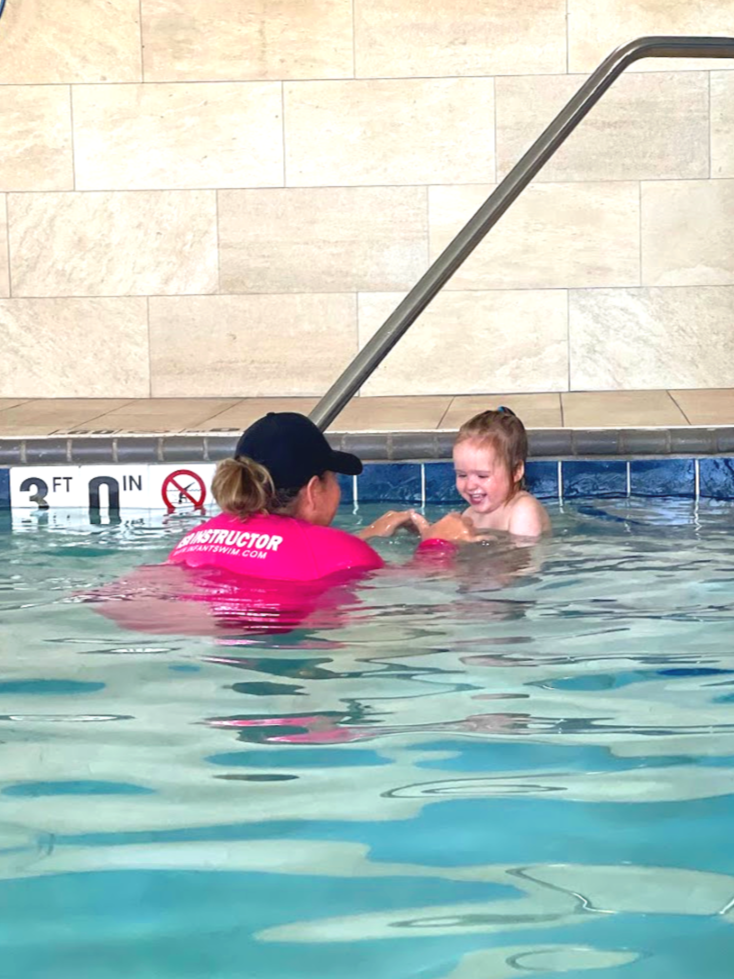
ISR Midwest provides personalized self-rescue swim lessons for children ages 6 months to 6 years. Our goal is to help little ones build real confidence in the water—while giving parents peace of mind knowing their child has life-saving skills. Lessons are one-on-one, held 4 days a week, and just 10 minutes long over the course of 5-7 weeks—designed to fit your child’s needs and development.
Rollback to Float
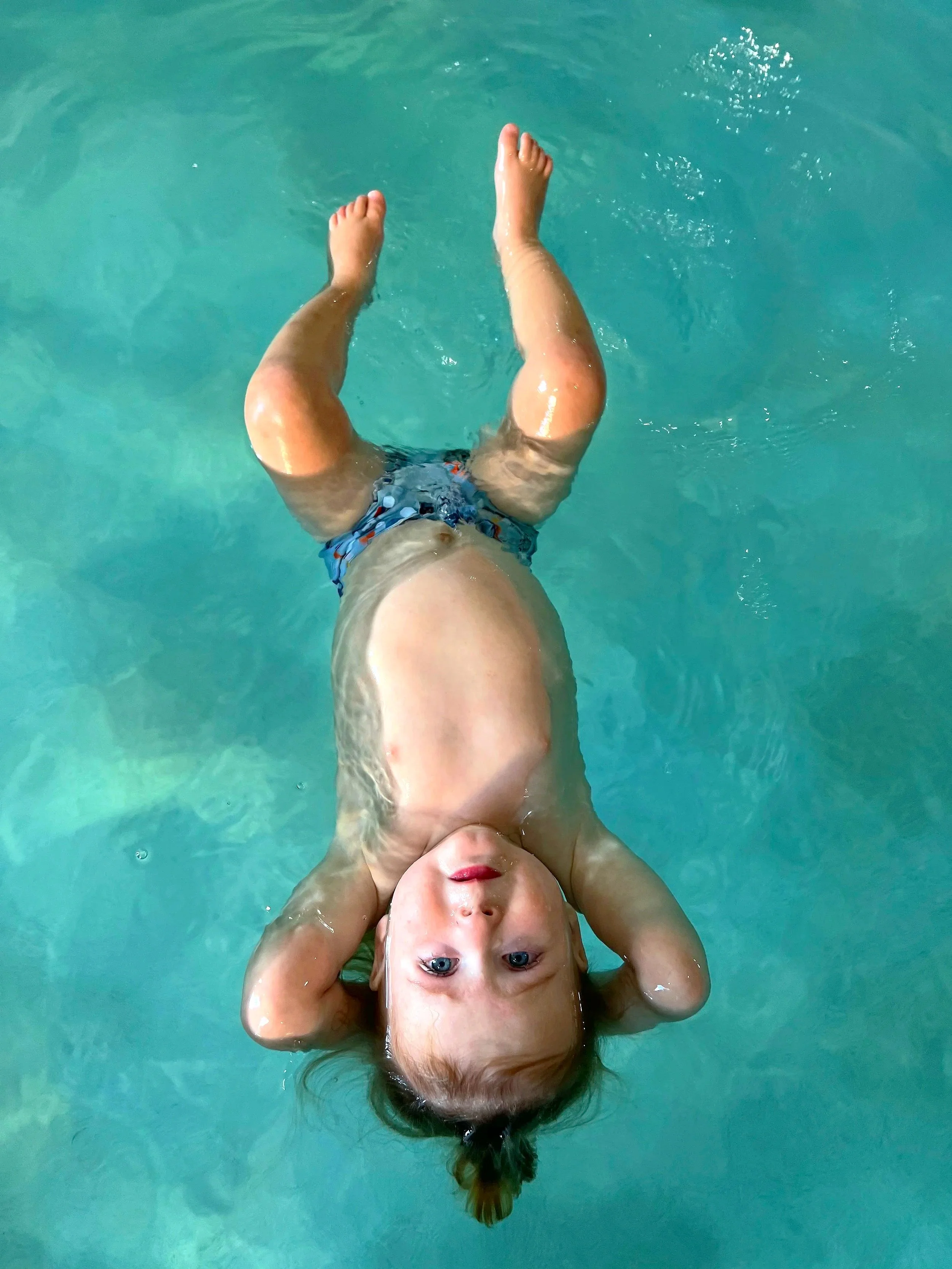
All students—even those as young as 6 months old—start by learning the foundational ISR skill of rolling onto their backs to float, rest, and breathe. Infants and toddlers who aren’t yet walking confidently are taught to maintain this position until help arrives. For our older students, that same float becomes a critical part of their swim sequence as they begin to combine floating with independent swimming skills.
Swim Float Swim
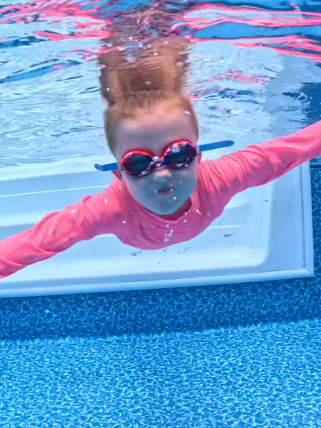
As toddlers and young children grow stronger and more coordinated on land, they’re also ready to build new skills in the water. ISR teaches them to swim a short distance, rotate onto their back to float and breathe, then roll over to continue swimming. This sequence of swim-float-swim allows them to reach safety—whether that’s the steps, the side of the pool, or the shoreline.
You’ve got questions,
we’ve got answers
-
ISR is the product over 45 years of ongoing development in the area of aquatic survival instruction for infants, toddlers, and young children. ISR’s primary focus is to teach your child to become a productive swimmer, or floater in any depth of water. The goal of ISR is that your child becomes an “aquatic problem solver.” ISR will greatly increase your child’s chance of surviving an aquatic accident, even when fully clothed!
-
Yes. At ISR, we believe that part of survival for a child who can walk is swimming. Children learn the swim-float-swim sequence so that they could get themselves to safety. The difference in our program is that they will learn swimming AND survival skills and how to be an aquatic problem solver.
-
The reason for this is multifaceted. First, repetition and consistency are crucial elements of learning for young children. Research shows that short, more frequent lessons result in higher retention. Second, most children have fairly short attention spans and will not be able to focus on the task for longer and we want to take advantage of the best time for learning. A third reason is that, though the pool temperature is maintained at 78-88 degrees, the temperature is still lower than your child’s body temperature. Lessons are work and therefore will also be loosing body heat. Instructors check students regularly for temperature fatigue since this is an indicator of physical fatigue.
-
The 5-7 weeks is an estimate that is based on the average time in which it takes most children to learn these survival skills. Every child is unique and ISR’s Self-Rescue program is specifically designed based on your child’s individual strengths and needs. It is important to realize that this is an average which means that some children will actually finish more quickly while others will need more practice. ISR is dedicated to safety and, therefore, we want to provide your child with the time and best opportunity to become proficient in his/her survival skills. We will always honor your child’s needs.
-
Because 86% of children, who fall in the water, do so fully clothed, we want our students to have experience with such a situation. If a child has experienced the sensations of being in the water in clothing prior to an emergency situation, he/she is less likely to experience panic and be able to focus on the task at hand. If you have ever jumped in the water with clothes on, then you know that there is a significant difference in weight and feel with clothes as opposed to a bathing suit.